


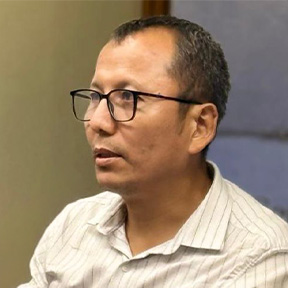
Dr Tashi Phuntsok* presents his case for the election of Mr Kalsang Tsering as the member of the Tibetan Parliament-in-Exile from the Australasia constituency in the upcoming, 2026 Tibetan elections.
The vibrant democratic tradition founded under the visionary leadership of His Holiness the Dalai Lama and nurtured by the Tibetan community in exile since the early 1960s has drawn the attention of scholars and supporters around the world. It stands as one of the greatest achievements of the Tibetan community, showing how displaced people can not only preserve their identity but also build democratic institutions that may one day serve as the foundation of a future Tibet. Sustaining this system, however, demands experienced and steady leadership, especially in times of profound uncertainty.
The upcoming Tibetan elections in 2026 come at such a moment. As China’s dominance in the world and control over every aspect of life in Tibet – political, cultural, economic and environmental – deepens, the responsibility in exile to keep the Tibetan movement resilient has never been greater. This requires leaders who bring experience, integrity and a long-term vision, particularly as the Tibetan community works towards a future filled with generational challenges.
It is with this hope and responsibility that I introduce Kalsang Tsering la, whom I have known for over two decades, as a candidate for the position of Member of Parliament (Chithue) representing the Australasia constituency.
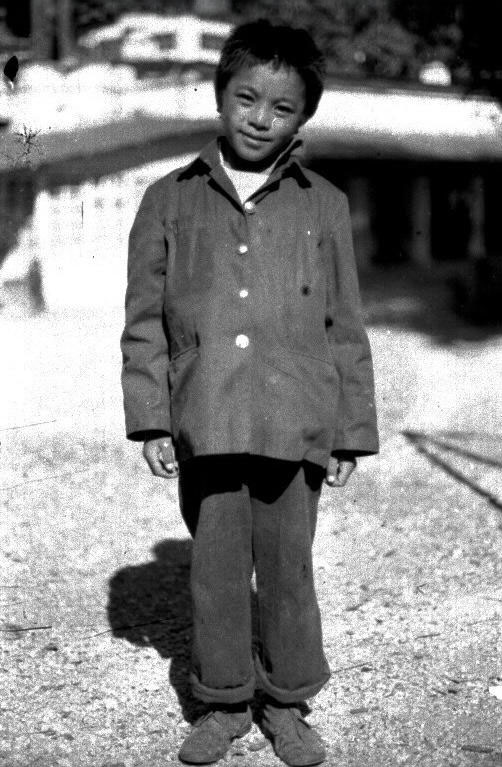
His Early Life and Education
My friendship with Kalsang la goes back to our university years in Delhi, where we lived in the same hostel and studied commerce. Kalsang la’s story is one of resilience, service and leadership. Born in Tibet, he crossed the Himalayas as a young boy into exile in India in search of education and freedom.
He was then raised under the care of the Tibetan Homes Foundation (THF) in Mussoorie, which became his second home. At the THF, he excelled in both academic and extracurricular activities. He was elected the school captain and conferred the prestigious Best Boy (Bum Kyon Sumdrel) award by the Department of Education, Central Tibetan Administration (CTA). This is how Kalsang la embodied excellence, character and service. From that young age, he carried that responsibility with integrity, which continues to define Kalsang la.
His academic achievements earned him admission to the prestigious Shri Ram College of Commerce (SRCC), University of Delhi. It was during this time that I met him when he was busy balancing his academic responsibilities with his passion for youth leadership. He served as Treasurer and later President of the Regional Tibetan Youth Congress (RTYC), Delhi. His leadership, activism and steadfast commitment to the Tibetan cause were evident to all who worked alongside him. These formative experiences cemented his lifelong dedication to the Tibetan cause. During those days, he was not only a mentor to me academically, but under his leadership, I also took part in many protest marches in Delhi.
His Service to the CTA and Key Role in Sino-Tibetan Talks
My interest in becoming a teacher and researcher on the Tibetan community in exile could partly be attributed to Kalsang la’s work and his dedication. After graduation, Kalsang la returned to his alma mater as a teacher before joining the CTA as a civil servant. And when I was navigating my own career options during my post-graduation, I met Kalsang la again as he had begun his posting at the Bureau of His Holiness the Dalai Lama in New Delhi. After that, he was transferred to Kashag (Cabinet) Secretariat in Dharamshala.
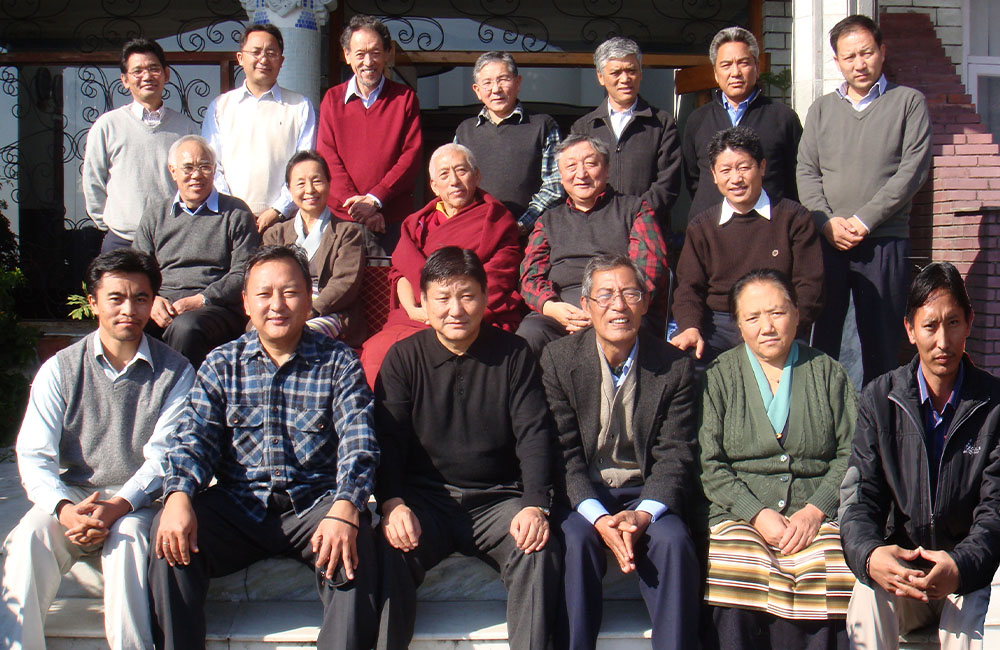
There, he became Secretary of the Task Force on Sino-Tibetan Negotiations. Along with his colleague Jigmey Passang la, he worked closely with senior officials under the leadership of Kalon Tripa Prof. Samdhong Rinpoche and later Sikyong Dr. Lobsang Sangay.
For nearly 15 years, Kalsang la played a trusted and substantive role in supporting the work of His Holiness the Dalai Lama’s Envoys. The Task Force was an internal think tank responsible for research, strategic planning, and policy recommendations aimed at resolving the Tibet issue peacefully. Kalsang la’s contributions went far beyond administrative duties; his analytical skills, cultural competency and calm presence were valued during a period marked by major geopolitical shifts.
The year 2008 was a landmark year for Tibet. His work took him to Beijing that year during the Eighth Round of Sino-Tibetan talks led by His Holiness’ Special Envoy Lodi Gyari Rinpoche and Envoy Kelsang Gyaltsen la. It was a historic year when Tibetans inside Tibet rose in widespread protests, and the world watched China host the Olympic Games. Few Tibetans have had the responsibility and trust to directly support these high-level diplomatic engagements. Kalsang la is one of them.
His Leadership in the Tibetan Australian Community
After serving nearly two decades with the CTA, Kalsang la immigrated to Australia through the resettlement program for former Tibetan political prisoners and their families. Moving to a new country where he had to rebuild his life all over again, however, did not diminish his dedication to the cause. Instead, he stepped naturally into leadership roles serving as the President of the Australian Capital Territory (ACT) Tibetan Community in Canberra and Chair of the Tibetan Communities Associations in Australia.
In these roles, he ensured that the voices of Tibetans in Australia were heard in the Australian Parliament. Through Tibet Lobby Day, organised by the Australia Tibet Council (ATC), he engaged with politicians across the political spectrum, including Australian Foreign Minister Penny Wong. He advocated on a range of critical issues affecting Tibetans inside Tibet.
Today, he continues to serve the movement as a Board of Directors of the ATC, the country’s leading Tibet advocacy organisation. Alongside his community work, he is also a permanent employee of the ACT Government, reflecting both his integration into and contribution to Australian society.
For Kalsang la, community leadership also means nurturing the next generation. With deep belief that Tibetan children in Australia must stay connected to their identity, he volunteers as a teacher at Thonmie Bhod-kad Lobling, the weekend Tibetan language school in Canberra. His involvement ensures that the Tibetan language, culture, and history remain alive for those who will inherit the movement.
Kalsang Tsering as Chithue (Australasia)
His transformation from a refugee child to a youth leader and from a distinguished civil servant to a community leader in the West, Kalsang Tsering la embodies diligence, courage, and commitment. His experience spans decades of:
• Education and youth leadership
• Government (civil servant) and diplomacy
• Community leadership
• Global advocacy
• A lifelong, unwavering dedication to the Tibetan struggle
For the Australasia constituency, Kalsang la offers a rare combination of experience working in the CTA, engagement with Chinese and world parliamentarians and grounded in community leadership. His background in the CTA, together with his leadership in advocacy organisations such as the Australia Tibet Council and his service with the ACT Government, will be a valuable asset to CTA’s global efforts for Tibet while nurturing the next generation of Tibetan leaders.
His election would enrich the Tibetan Parliament with his expertise in the complexities of China’s politics and leadership capability in bridging generations, cultures and geographies. It would also set a strong example for Tibetan communities around the world seeking representatives who embody dedication, integrity, and experience.
—
* Dr Tashi Phuntsok is an Assistant Professor in the Department of Economics, Vidyasagar College, University of Calcutta, and has a PhD from Jawaharlal Nehru University (JNU). His broad research interests lie in development issues and the experiences of developing countries. Besides, he has a keen interest in socioeconomic issues concerning the Tibetan community in South Asia. He has presented and published on these areas at different national and international platforms.