(TibetanReview.net, Oct14’26) – India’s external affairs minister S Jaishankar has on Oct 13 made an emphatic reiteration of New Delhi’s position that if China wanted a normal bilateral relationship, the border between the two countries had to be stable. His remark came on the day China said it strongly opposed India’s recent move to assign standardised names to 28 strategic locations and geographical features in Ladakh in its official map and India responded within hours by reiterating its position regarding the territorial ambit of the Union territory.
During a conversation at the Bloomberg New Economy Forum in New Delhi, Jaishankar has said that India and China do not have an agreed border. He has pointed out that despite the issue having persisted for decades, and border fatalities in 1975, India-China relations did grow.
“Then in 2020, when we were in the midst of the Covid lockdown, we had a series of border issues, and it culminated in a clash in which a number of soldiers were killed on either side,” timesofindia.com Oct 14 quoted Jaishankar as adding.
“For us, what it represented was a very profound departure from the situation that was prevailing since 1975. If the peace and tranquillity in the border areas are disturbed, then the relationship will have consequences. Those consequences were very visible for the next five years until we were able to restore the peace and tranquillity. It took four years of negotiations,” he has added.
“The point we make to the Chinese is: ‘If you want a normal relationship, if the rest of the relationship is to move, it’s common sense. It’s a no-brainer that the boundary has to be stable, that we need peace and tranquillity in the border areas.’ As the border areas are settling down, they have settled down to a great extent since 2024; the relationship is commensurately moving towards normalcy,” he has further said.
* * *
Jaishankar’s remarks came after India’s ministry of external affairs reiterated that Ladakh is an integral and inalienable part of India in response to Chinese foreign ministry’s expression of opposition to New Delhi recent naming of a number of strategic locations in Ladakh on its official map.
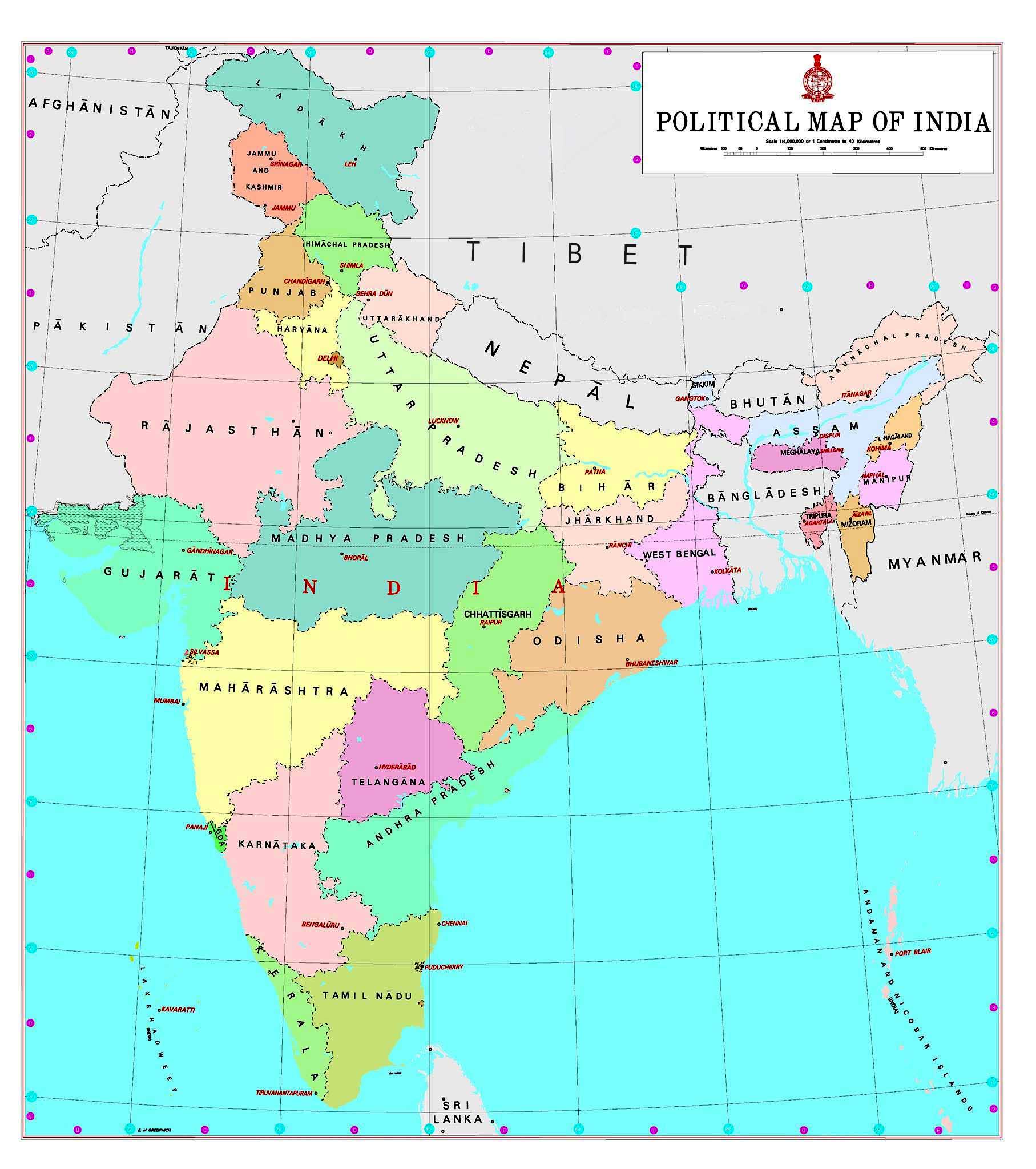
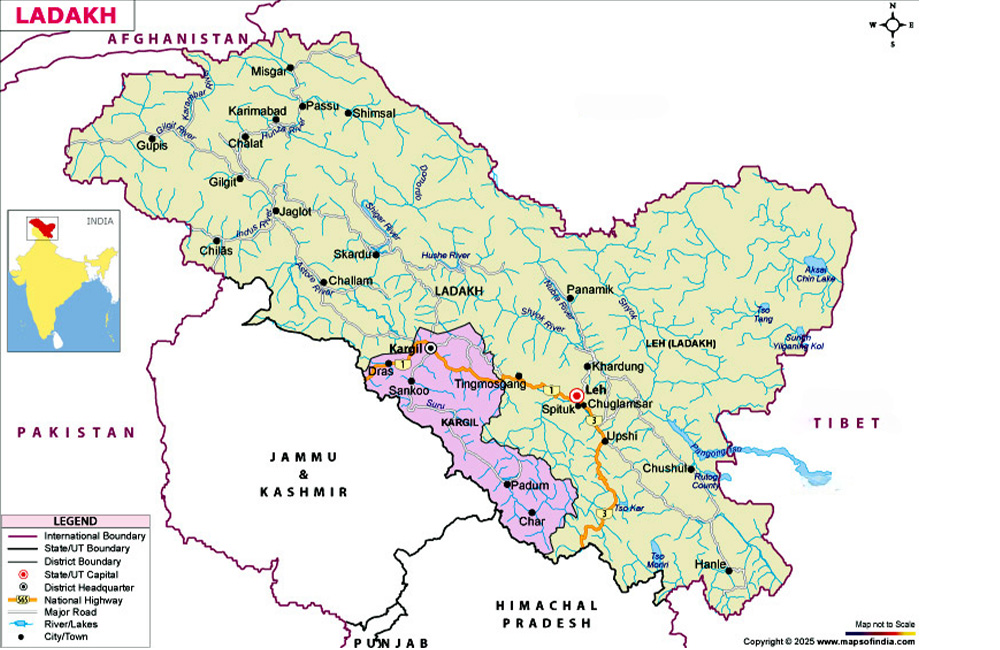
This referred to the fact that on Oct 2, India formally identified 28 strategic locations and geographical features in Ladakh on its official map, including key border friction points along the Line of Actual Control (LAC), such as Gogra and Hot Spring.
It also included places in Aksai Chin, ceded provisionally by Pakistan to China in a 1963 border agreement, and Gilgit-Baltistan in Pakistan-occupied Kashmir, which India asserts is part of Ladakh.
“Identifying these places formally on the Survey of India map of UT of Ladakh is aimed at facilitating their accurate recognition and better awareness among the public at large,” India’s Ministry of Home Affairs said at the time.
* * *
Responding to it, the Chinese Foreign Ministry spokesperson Mao Ning said Oct 13 that “China had never recognized the so-called ‘Union Territory of Ladakh’ unilaterally and illegally established by India and firmly opposes India’s announcement of so-called standard names.”
‘The move is illegal and invalid and cannot change the fact that the relevant areas in the western section of the China-India boundary have always belonged to China,’ the official globaltimes.cn Oct 13 further cited Mao as saying.
“This attempt by India is illegal, null, and void,” the official chinadaily.com.cn Oct 13, likewise, quoted Mao as saying. “Still less will it change the fact that the western sector of the China-India border belongs to China.”
* * *
But India would have none of that and within hours its ministry of external affairs spokesperson Randhir Jaiswal rejected the Chinese assertion. “It is reiterated that the UT of Ladakh is an integral and inalienable part of India. No amount of denial by the Chinese side can change this established fact,” newindiaexpress.com Oct 13 quoted Jaiswal as saying.
He has said India’s Home Ministry Press release on Oct 2 was “self-explanatory”.
He has reiterated that the The 28 places and geographical features have been assigned standard names on the official Survey of India map in consultation with the Union Territory administration and local stakeholders.
“Identifying these places formally on the Survey of India map of UT of Ladakh is aimed at facilitating their accurate recognition and better awareness among the public at large.”